Hormone and endocrine disrupting chemicals are hiding everywhere these days- in our water, body care products, clothing and food. Many of us don’t realize the pervasiveness of these chemicals until we- or someone close to us- is diagnosed with something like autoimmune disease, infertility or cancer. That’s usually when finding healthier alternatives becomes a top priority.
However, everyone can benefit from lessening their toxic load, whether you’re having health issues or not.
This list focuses on food- in the future, I’ll do another one that applies to the home. For now, here are five ways to minimize your exposure to environmental toxins through what you eat.
Following these tips may help reduce chronic inflammation, one of the underlying causes of disease.
#1 – Replace Teflon and other non-stick cookware with healthier alternatives.

WHY: Teflon and other non-stick coatings can release harmful chemicals into food, especially if the coating becomes worn or scratched. For this reason, I personally do not use any Teflon or Teflon-like non-stick cooking surfaces. Even if a non-stick cookware brand seems like it’s safe, there could still be chemicals in the coating that could leach into your food.
Because of the serious health concerns related to these chemicals, many manufacturers are now required to disclose if their products contain PFAS (per- and polyfluoroalkyl substances). This disclosure is usually listed at the very bottom of the product description online.
WHAT TO LOOK FOR: Stay away from cookware containing PFAS and instead opt for cast-iron, stainless steel, and enamelware cookware from trusted brands. Lodge cast-iron is affordable and available at most major retailers across the US. When shopping for stainless steel, look for 18/10 or 18/8 stamped on the bottom, indicating the chromium and nickel alloy percentage. These higher grades of stainless steel will be less likely to corrode over time.
For a bigger investment, check out trusted brands of enamelware like Le Creuset and Staub. While pricey, this is another good option if you are looking for a healthier alternative to non-stick cookware.
Even though it might take a little time to learn how to use this cookware properly, the health benefits are 100% worth it!
#2 – Use glass containers instead of plastic ones to prepare and store food.

WHY: Plastic containers- even the BPA free kind- can leach chemicals into our food. This is especially true if a food is hot, as the heat causes a chemical reaction with the microplastics. If you haven’t already, take this as your sign to ditch the plastic containers and go with the glass!
WHAT TO LOOK FOR: Glass containers are my favorite. Use readily available Mason jars, or shop for glass food containers at any number of major retailers. Many of them come with plastic lids, and that’s ok; the lid usually has minimal, if any, contact with your food.
If you prefer to go 100% plastic free, wood lids with silicone seals are available, as are glass jars with glass lids (check out the this brand).
#3 – Buy organic versions of “The Dirty Dozen“.

WHY: The Dirty Dozen is an annual list of the produce most contaminated with pesticides. Some conventionally grown produce uses more pesticide treatment than others due to the pests attracted to the plant. Unfortunately, these growing practices harm our soil and ecosystems, and also negatively impact our health.
If you want to limit your pesticide exposure, buy organic versions of the following produce:
Get this recipe sent to your inbox!
- strawberries
- spinach
- kale
- collard & mustard greens
- grapes
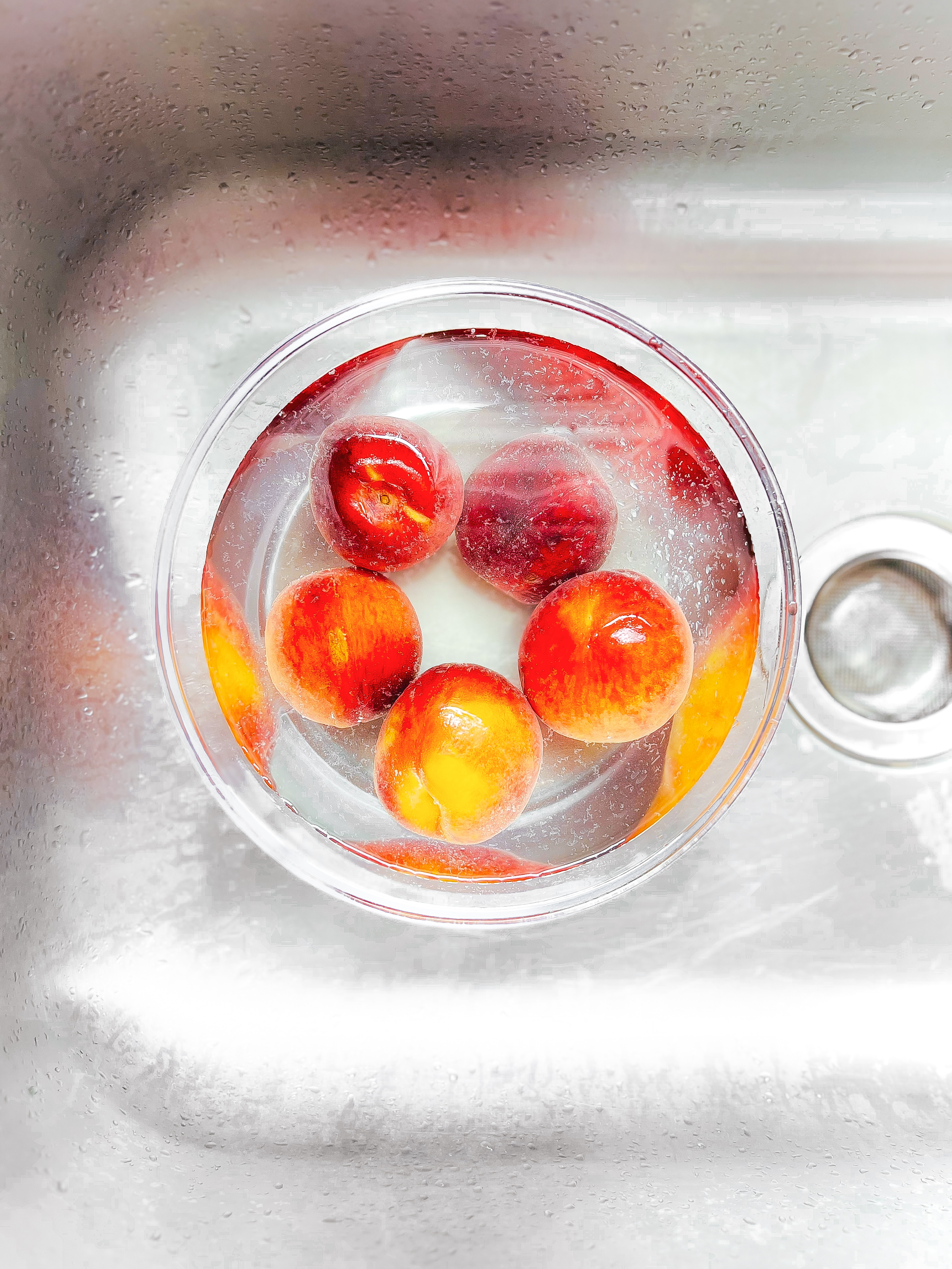
- peaches
- pears
- nectarines
- apples
- bell & hot peppers
- cherries
- blueberries
- green beans
WHAT TO LOOK FOR: You want to look for “certified organic” or “organically grown” on the label.
If you can get to a local farmers market, even better. Many farmers are happy to discuss their growing practices and let you know if their produce is grown organically.
#4 – Limit how often you drink out of single use containers.

WHY: Recent studies show that the linings of single use paper cups and straws, as well as aluminum cans, contain harmful chemicals that leach into our drinks. This is especially true for hot drinks like coffee and tea, as the heat causes a chemical reaction with the microplastics in the lining.
Plastic bottles and cups, it goes without saying- chemicals are leaching into your food there, too. And let’s not forget those handy plastic to-go lids that all of us use so frequently.
I know, it sucks… but so does all the trash floating in our oceans. We can do better.
WHAT TO LOOK FOR: Grabbing coffee somewhere? Take your own stainless steel, glass or ceramic container (be mindful that not all establishments will be able to accommodate this). If you have the time, opt to sit down and enjoy your drink in-house. Many places will serve in-house beverages in ceramic or glass mugs.
Plastic bottled water is also something to avoid. While not always possible, especially when traveling, purchasing water and other beverages bottled in glass is always going to be the healthier choice.
#5 – Shop the outside perimeter of the grocery store.

WHY: The outside perimeter of the grocery store is where you’re going to find the healthiest, whole foods, like produce, meat, seafood, and dairy. Most of the food in the center aisles is highly processed, full of additives, chemicals, and dyes that keep you hooked on the product and coming back for more (think sugary snacks or those flavored potato chips you just can’t get enough of). Ideally, you want whole foods to make up a majority of your diet.
WHAT TO LOOK FOR: Always choose organic, whole foods when possible. With prepared foods, you want to look for short ingredients lists where you recognize most, if not all, of the ingredients. Steer clear of food dyes, “natural flavorings”, high fructose corn syrup, or anything you can’t pronounce.
If you’d like a more in-depth guide for how to shop for healthy food, download my free Healthy Grocery Shopping Guide!

A complete rundown for how to shop the healthiest foods possible!
Includes:
- Simple Tips for Success at the Grocery Store
- A quick-glance guide to seasonal eating
- 6-page guide for what to look for when shopping for each food group
This is a PDF that’s easy to keep on your phone or tablet. To download, please submit your name and email below.




Leave a Reply